

For decades, mental health culture has emphasized self-regulation and emotional independence.
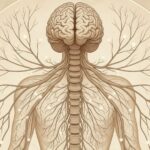
But from a neurobiological perspective, the nervous system develops and heals in relationship first.
The Core Truth
Humans are biologically wired for co-regulation.
Our nervous systems evolved through faces, voices, touch, rhythm, and presence.
“Safety is not the absence of threat. Safety is the presence of connection.”
— Dr. Stephen Porges
What Is Co-Regulation?
Co-regulation is the process by which one nervous system helps stabilize another through safe connection.
- Tone of voice
- Facial expression
- Eye contact
- Body posture
- Rhythm and pacing
- Emotional attunement
Before you learned to calm yourself, your body learned to calm with someone else.
The Nervous System Is Not Designed to Regulate Alone
Human nervous systems are unfinished at birth.
Infants rely on caregivers to regulate breathing, heart rate, temperature, and emotional arousal.
“The self-regulation of affect emerges out of the co-regulation of affect.”
— Dr. Allan Schore
How Co-Regulation Works in the Brain
In the presence of a safe, regulated person:
- The vagus nerve receives cues of safety
- Heart rate stabilizes
- Breathing slows
- Stress hormones decrease
- The prefrontal cortex comes back online
This happens automatically — without effort or logic.
Polyvagal Theory: Why Safety Is Social
Polyvagal Theory explains that humans have a built-in social engagement system.
When safety is present, connection becomes possible. When it’s absent, survival responses dominate.
“The nervous system evaluates risk through neuroception.”
— Dr. Stephen Porges
Why Self-Regulation Often Fails Without Co-Regulation
Many people know the tools but still struggle to calm their bodies.
This is because nervous systems often need to borrow regulation before generating it internally.
“Being able to feel safe with other people is probably the single most important aspect of mental health.”
— Dr. Bessel van der Kolk
Real-Life Examples of Co-Regulation
A Child in Distress
A calm, present caregiver helps the child’s body settle.
An Adult in Emotional Overwhelm
Being listened to without fixing allows the nervous system to regulate.
Somatic Therapy
Regulation happens through pacing, presence, and attunement — not advice.
Why Trauma Disrupts Co-Regulation
When early relationships were unsafe or unpredictable, the nervous system learned not to rely on others.
This leads to hyper-independence and emotional self-containment.
Why “I Don’t Want to Depend on Anyone” Is a Nervous System Story
This belief is often a protective adaptation, not emotional maturity.
It reflects survival without support.
Co-Regulation Is Not Codependency
Healthy co-regulation includes boundaries, autonomy, choice, and repair.
Secure attachment allows both self-regulation and co-regulation.
What Research Shows
- Connection lowers cortisol
- Attuned relationships improve vagal tone
- Isolation increases nervous system dysregulation
- Loneliness impacts physical and emotional health
How Somatic Therapy Uses Co-Regulation
Somatic therapy builds safety intentionally through pacing, presence, choice, and repair.
Over time, the nervous system learns that connection can be safe.
The Path Forward
Co-regulation is the bridge from external safety to internal regulation.
We borrow safety until our nervous system learns to generate it.
Final Words
Needing others does not mean weakness.
It means you are human.
“Connection is not a luxury. It is a biological imperative.”
— Dr. Stephen Porges