How the Nervous System Works (In Simple Language)

  • Home
  • How the Nervous System Works (In Simple Language)
Shape1
Shape2
How the Nervous System Works (In Simple Language)

An expert, trauma-informed guide to understanding your body, safety, and healing

The nervous system shapes how you think, feel, react, rest, connect, protect yourself, and heal.

Many people believe something is wrong with them — but from a nervous system perspective, what’s happening is intelligent and adaptive.


The Nervous System’s Only Job

Your nervous system has one primary role:

Keep you alive.

Not happy.
Not productive.
Alive.

Its constant question is: “Am I safe right now?”


The Two Main Parts of the Nervous System

The Sympathetic Nervous System

This is your activation and survival system.

  • Fight
  • Flight
  • Anxiety
  • Urgency
  • Alertness

The Parasympathetic Nervous System

This system supports rest, digestion, repair, and connection.

  • Rest
  • Recovery
  • Bonding
  • Sleep
  • Healing

Why the Nervous System Gets “Dysregulated”

The nervous system is designed to move between activation and rest.

Chronic stress, trauma, or lack of safety can cause it to get stuck — not broken.


The Three Core Nervous System States

Regulated State (Safety & Connection)

This is where clarity, flexibility, emotional presence, and healing occur.

Hyperarousal (Fight or Flight)

The body prepares for action when threat is detected.

Hypoarousal (Freeze or Shutdown)

The nervous system conserves energy when threat feels overwhelming.

The Window of Tolerance

The window of tolerance describes how much stress your system can handle before becoming overwhelmed.

Trauma often narrows this window, making small stressors feel intense.


Why the Nervous System Reacts Before You Think

Your nervous system evolved before logic and language.

The body reacts first. The mind explains later.

How Trauma Affects the Nervous System

Trauma is about what the body could not process or complete — not just what happened.

Unresolved threat keeps the nervous system on guard.

Why Rest Can Feel Unsafe

If rest once preceded danger or vulnerability, the nervous system learned to avoid stillness.

Stress can feel safer than calm.

What Regulation Actually Means

Regulation is not permanent calm.

It is flexibility, awareness, and the ability to return to balance.


How the Nervous System Heals

Healing happens through repeated experiences of safety, choice, and support.

  • Consistency
  • Gentleness
  • Agency
  • Co-regulation


Why Somatic Therapy Works

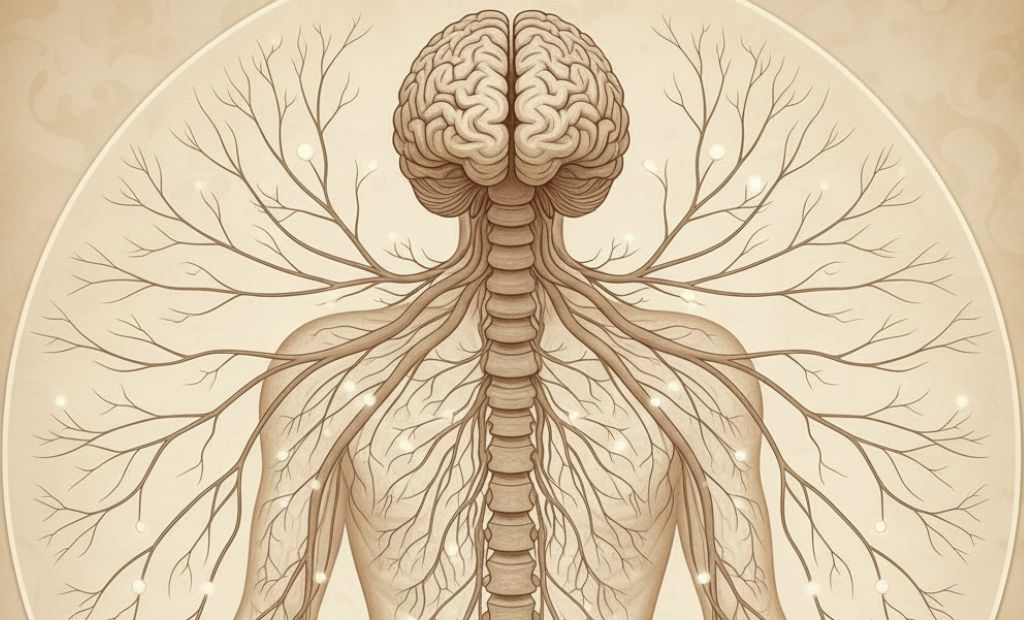
The nervous system lives in the body.

Somatic therapy works with sensation, breath, movement, and pacing to restore safety.


A Reframe That Changes Everything

Instead of asking, “What’s wrong with me?”

Ask, “What did my nervous system learn?”


Key Takeaways

  • Your nervous system is designed for survival
  • Responses are adaptive, not flawed
  • Safety reshapes biology
  • Healing is experiential
  • Your body has always been on your side

Understanding the nervous system replaces shame with compassion.

When you stop fighting your body, healing begins.


Leave a Reply

Your email address will not be published. Required fields are marked *