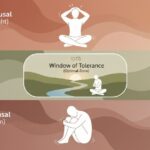


Some people get louder during conflict. Some talk faster. Some defend, explain, argue, push.
And some of us? We go quiet. We freeze. We shut down.
Not because we don’t care. Not because we’re avoiding responsibility. Not because we lack communication skills.
But because our nervous system has left the conversation even while we appear to still be in the room.
Conflict Isn’t Just About Words — It’s About Safety
When conflict arises, your rational brain (the prefrontal cortex) is not the first to respond.
Your nervous system responds first. It asks one question:
“Are we safe?”
The Science: Your Nervous System Has Three Main Modes
Social Engagement (Safe + Connected)
You can listen, talk, and stay present.
Fight or Flight (Hyperarousal)
Raised voice, fast heart rate, irritation, talking over people.
Freeze or Shutdown (Hypoarousal)
Mind goes blank. Body feels heavy. Words disappear.
Shutting down is not a choice. It is your nervous system saying: “This is too much. We need to protect ourselves.”
Why the Shutdown Happens in Conflict
Your Brain Gets Flooded
When conflict feels threatening, your amygdala takes over. Blood flow shifts away from reasoning, language, and emotional clarity.
Your Body Enters Freeze Mode
Freeze happens when fighting doesn’t feel safe and fleeing doesn’t feel possible.
You Learned Early That Conflict Was Unsafe
If you grew up with yelling, criticism, or emotional unpredictability, silence became a survival strategy.
Your System Can’t Track Too Much at Once
When your window of tolerance is narrow, shutdown is the body saying: “We’re overloaded.”
What Shutdown Looks Like in Real Life
- Mind going blank mid-conversation
- Feeling disconnected from your body
- Agreeing just to end the conflict
- Apologizing even when you’re hurt
This is not avoidance. This is nervous system overload.
The Hidden Emotions Behind Shutdown
Shutdown often holds fear, overwhelm, shame, unexpressed anger, and fear of losing connection.
Your silence isn’t emptiness. It’s protection.
How to Stop Shutting Down During Conflict
Regulate the Body First
Slow exhale. Ground your feet. Release your jaw.
Ask for Pauses
Pausing is not avoidance — it’s regulation.
Name What’s Happening
“I’m shutting down right now” reduces shame and restores connection.
Re-Enter Through Safety Cues
Side-by-side conversations, warmth, movement, gentle eye contact.
Strengthen Your Window of Tolerance
Somatic practices, rest, boundaries, and co-regulation build capacity over time.
You Are Not Broken
You shut down because your nervous system chose survival.
Once safety returns, your voice returns.
You are learning to be wired for connection.