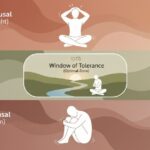
Rest sounds simple. But for many people, rest feels like:
guilt
irritation
restlessness
anxiety
the urge to get up and do something
a strange sense of emptiness or discomfort
If this is you, nothing is wrong with you. Your nervous system simply learned a different rhythm for safety. This isn’t a mindset issue. It’s biology.
The First Truth: Rest Isn’t Always Safe for the Nervous System
For some nervous systems, rest feels like a warm blanket. For others, it feels like lowering your shield in a battlefield.
It’s not that your body dislikes rest — it’s that rest was never paired with safety in your early environment.
Rest might have meant:
being seen (and criticized)
being interrupted
being vulnerable
getting in trouble for “doing nothing”
letting emotions rise without support
losing control
falling behind
Your body learned: “It’s safer to stay busy.” Not productive — protected.
Restlessness Is Not Laziness — It’s a Survival Strategy
Your nervous system is always scanning for danger vs. safety. If your upbringing taught you that chaos appeared without warning, moods shifted fast, quiet moments led to conflict, or rest was shamed, then stillness feels risky.
Your body is like a guard dog that never got the memo that the war is over. You’re not resisting rest — your body is trying to protect you.
The “Inner Engine” Metaphor
Imagine driving a car stuck in third gear since childhood. Third gear feels normal. Slowing down feels strange. Idling feels impossible.
This is why rest can feel like braking too hard, losing control, or entering unfamiliar territory. Your system wasn’t designed to downshift easily — yet.
When You Stop, What’s Been Waiting Shows Up
Rest creates space. And in that space, suppressed emotions can finally rise:
sadness
anger
grief
unmet needs
exhaustion
loneliness
unprocessed memories
Rest doesn’t just slow the body — it unmuffles the psyche.
Rest Feels Unproductive Because Productivity Was Safety
If you learned that being useful earned you love or safety, then rest can feel selfish, risky, or unfamiliar. You’re not addicted to productivity — you’re attached to the safety it once offered.
The “Empty Space” Metaphor
If your life has always had background noise, silence feels eerie at first. Rest is that quiet room. Your nervous system must relearn that silence doesn’t mean danger.
Rest as Regulation — Not Relaxation
From a nervous system perspective, rest means lowering arousal without triggering alarm. Full stillness can feel overwhelming, so gentle entry points help:
soft movement or slow walking
gentle breathwork
co-regulation with someone safe
stretching, rocking, humming
light tasks like folding clothes or watering plants
Rest is the presence of felt safety, not the absence of activity.
The Nervous System Needs Permission, Not Discipline
You cannot force rest or schedule safety. Your body needs repeated, gentle reminders:
“You don’t have to stay alert.”
“Nothing bad happens when you slow down.”
“Your worth isn’t tied to output.”
“You are allowed to stop.”
This is slow rewiring, not a vacation.
Practical Ways to Make Rest Feel Safer
Micro-rests: 30 seconds of slowing down
Rest-within-movement: stretching, soft swaying
Sensory regulation: warm tea, dim lights, weighted blanket
Anchored rest: rest near someone safe
Permission slips: telling your body “It’s okay to pause.”
Attuned breath: long exhales, soft hums
Emotional pacing: slow waves of feeling instead of overwhelm
Rest becomes easier when your body trusts it.
You Are Not Broken — You Are Adaptive
If rest feels uncomfortable, it doesn’t mean you’re weak or flawed. It means your nervous system protected you in environments that didn’t honor rest. Your difficulty with rest is evidence of resilience — your body kept you alive.
We use cookies to ensure that we give you the best experience on our website. If you continue to use this site we will assume that you are happy with it.Ok